
 Many people are quick to remember that preparing for winter means getting your home in working order, especially with the exterior of your home. After all, the goal is to make your base structurally sound enough to keep the heat in and the cold air out. However, have you considered what you need to do inside your home, to prepare for winter? Here are a few areas that should be addressed as the cold wind and snow start moving in.
- Review your Homeowners Insurance Policy With Us!
- Program Your Thermostat: Make sure your thermostat is not just continuously running at the same temperature, or your pocket book will be hurting! A programmable system will allow you to continuously change the temperatures, as needed, throughout the day. This is important especially if you leave the house for work, school, or other activities during the day, and the house does not need to be heated as high. Additionally, keeping cooler temperatures while you’re sleeping helps save on energy costs. Keep your curtains open to take in the sun or warmer parts of the day, in order to get the most heat for your home! Bonus Tip: Keep your home at a minimum of 65 degrees to avoid any freezing pipe problems.
- Inspect Your Heating Equipment: This means everything from your furnace to your chimney should be professionally inspected at least once a year, to make sure they are in proper working order. Inspectors will make sure pilot lights are working correctly, filters are clean, and anything that is too old will be replaced. Bonus Tip: If you have a HVAC system, your filters should be replaced and cleaned more often (check your factory specifics).
- Be Cautious With Space Heaters: Space heaters result in nearly 1000 blazing fires each year. On top of the emotional stress, this can result in thousands of dollars in property damages. Make sure you are always turning off your space heaters, before going to bed or leaving the area it is placed. Any loose clothing, flowing curtains, or other wispy material should be kept away from a space heater. Bonus Tip: Space heaters that come equip with automated shutoffs are the best for your safety.
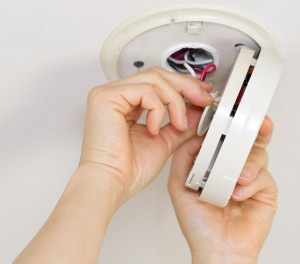
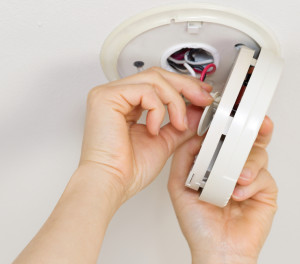
- Check Your Alarms: The winter is the best time to make sure your smoke, carbon monoxide, and any other chemical detectors are working in your home. Check for expiration dates, replace any old batteries, and if they’re properly placed throughout your home.
When winter comes around the corner, follow these indoor safety precautions to make sure your home is ready for all the cold that may come along! Also take advantage of our Tax Preparation and Bookkeeping Services for your personal and business taxes.